A clear starting point for a controlled private-label program.
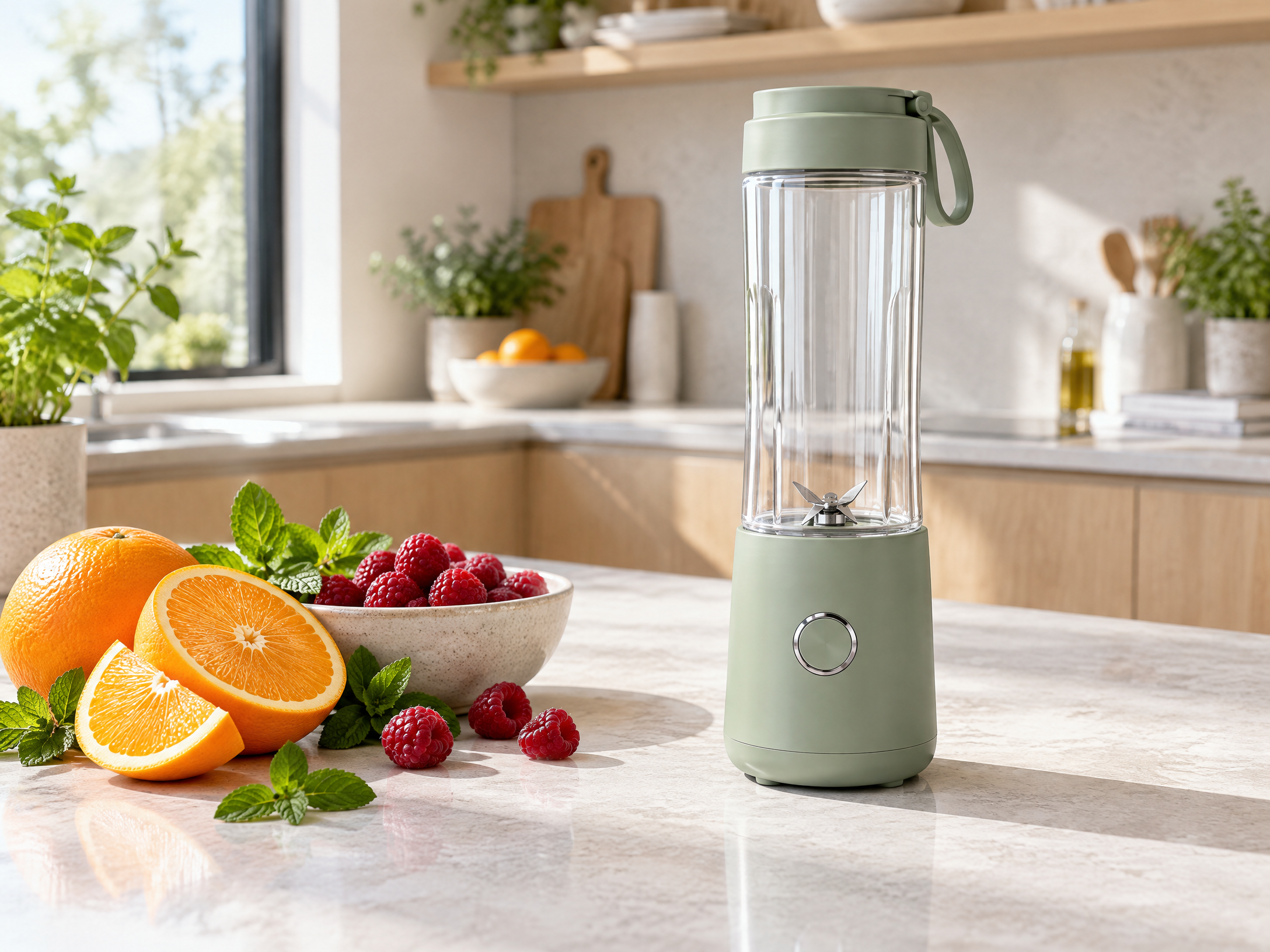
A portable wellness product platform for brands that want to combine a recognizable tumbler format with defined safety, battery, food-contact, and shipping controls.
Core specifications to align before quotation.
These fields provide a practical starting configuration. Confirm the exact final model, market version, and any performance claim before commercial use.
Where this product can sit in a buyer’s assortment.
Fitness and active-lifestyle ranges
A compact appliance format for smoothie, shake, and travel-focused product collections.
Wellness subscription and accessory programs
Bottle colors, travel sleeves, and replacement accessories can support merchandising beyond the core appliance.
E-commerce launch programs
A controlled accessory, carton, and battery-document plan helps buyers prepare for direct-to-consumer logistics.
Adapt the platform without losing control of the build.
Start with a defined base configuration, then scope product expression, accessory, pack-out, and regional details through an approved brief and sample process.
What should be defined before the first formal sample?
- Blender base, cup, lid, blade-base, and seal reference
- Battery, charging-port, cable, and protection-board configuration
- Ingredient/use-limit and cleaning-instruction draft
- Final sales-market, carton, and transport-document matrix
Turn the approved sample into an inspection-ready production reference.
Quality control should connect the signed product configuration to incoming parts, in-process checks, functional verification, packaging, and finished-goods traceability. The final inspection plan should be agreed for the actual SKU and order.
Cup-engagement and start/stop behavior check against the approved sample
Blade-base, seal, charge indicator, and port inspection
Battery, PCB, cup, cable, and firmware revision reconciliation to the BOM
Carton, accessory, labeling, and finished-goods traceability inspection
Prepare the final SKU for its destination—not a generic lookalike.
Regulatory, certification, technical, claims, and channel requirements depend on the final model, component set, destination market, importer role, and selling route. This page is sourcing guidance, not a certification or legal conclusion.
Useful inputs for a faster, more comparable quotation.
Intended ingredients, capacity, run-time, duty cycle, and user-use limits
Battery, charging accessory, and carrier route requirements
Cup, seal, blade-base, and all food-contact material definitions
Interlock behavior, warning language, and after-sales spare-part expectations
Common sourcing questions about this platform.
What makes a portable blender approval-ready?+
The final cup-engagement, blade retention, battery, charging, food-contact, instruction, and shipping configuration should be connected to the approved sample and supporting evidence.
Can the bottle and body colors be customized?+
CMF options can be discussed, but each color, resin, decoration, and component change should be assessed against the controlled product configuration.
What logistics documents should a buyer request?+
For rechargeable versions, request configuration-matched lithium-battery transport information and confirm carrier, packaging, and destination-market requirements for the final shipment.
Request a product-specific sourcing discussion.
Send your target market, expected annual volume, preferred configuration, and launch timing. We will use the brief to structure the next sample, documentation, and production discussion.