ODM platform program
Start with a controlled product platform, then scope the allowed configuration: brand identity, CMF, packaging, accessories, regional power version, and approved option set.
 UZYVO OEM / ODMSmall Home Appliance ManufacturingInquire / RFQ
Whether your program begins with an ODM platform or an OEM development brief, the practical work is the same: define the target customer promise, final configuration, sample approvals, evidence requests, production controls, and ownership of each decision.
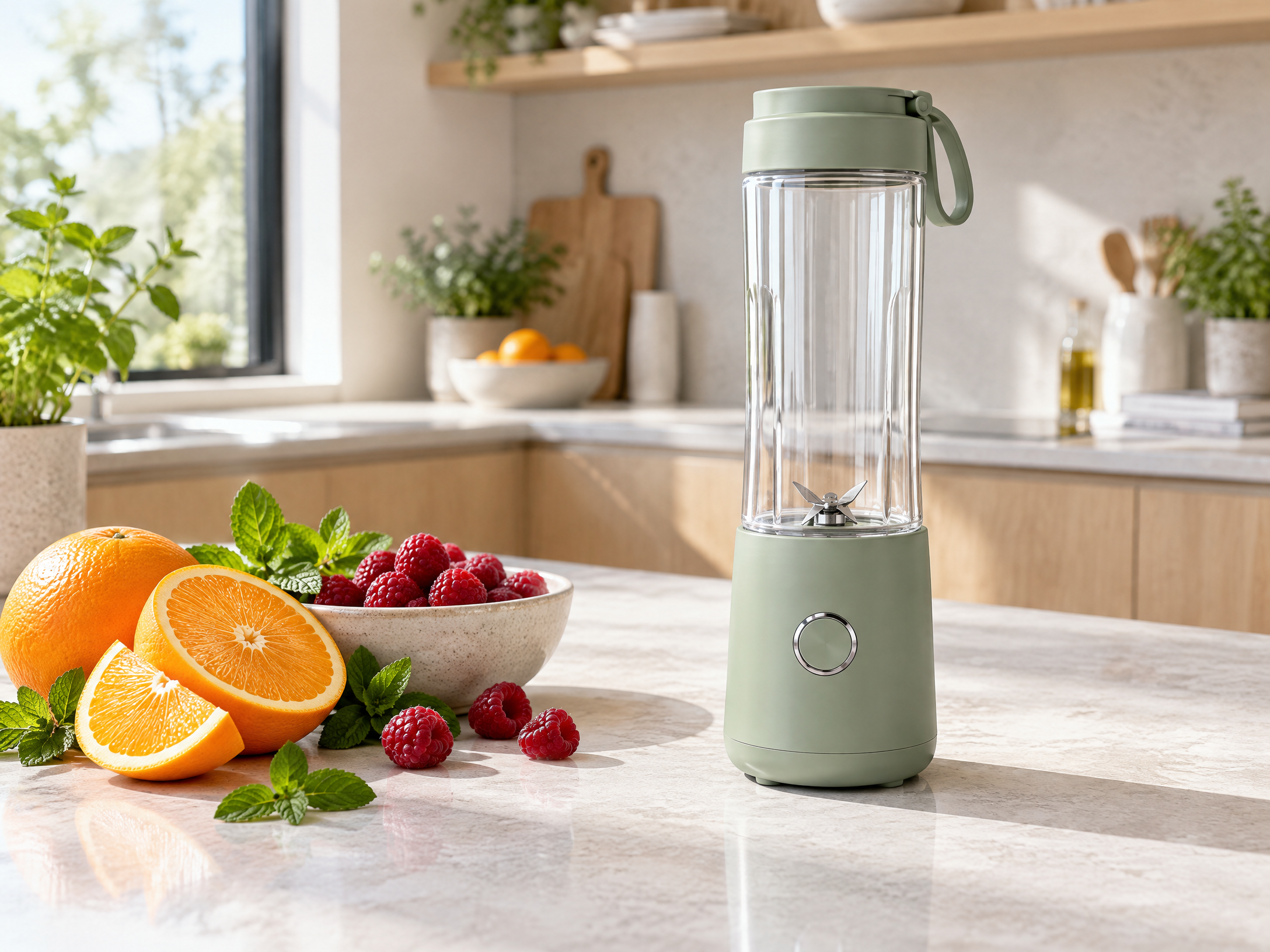
OEM and ODM labels are less important than the exact product baseline, permitted changes, evidence requirements, approval rights, and written controls that support the product you intend to sell.
Start with a controlled product platform, then scope the allowed configuration: brand identity, CMF, packaging, accessories, regional power version, and approved option set.
Turn a brand concept into a defined final SKU with artwork, finish, accessory, manual, carton, and market-specific product details.
Where a standard platform cannot meet the customer promise, define a buyer-directed brief, development responsibilities, sample stages, tooling assumptions, and change control.
Share the category, market, intended volume, target channel, and launch timing. UZYVO will use that context to structure the next factory discussion.