A clear starting point for a controlled private-label program.
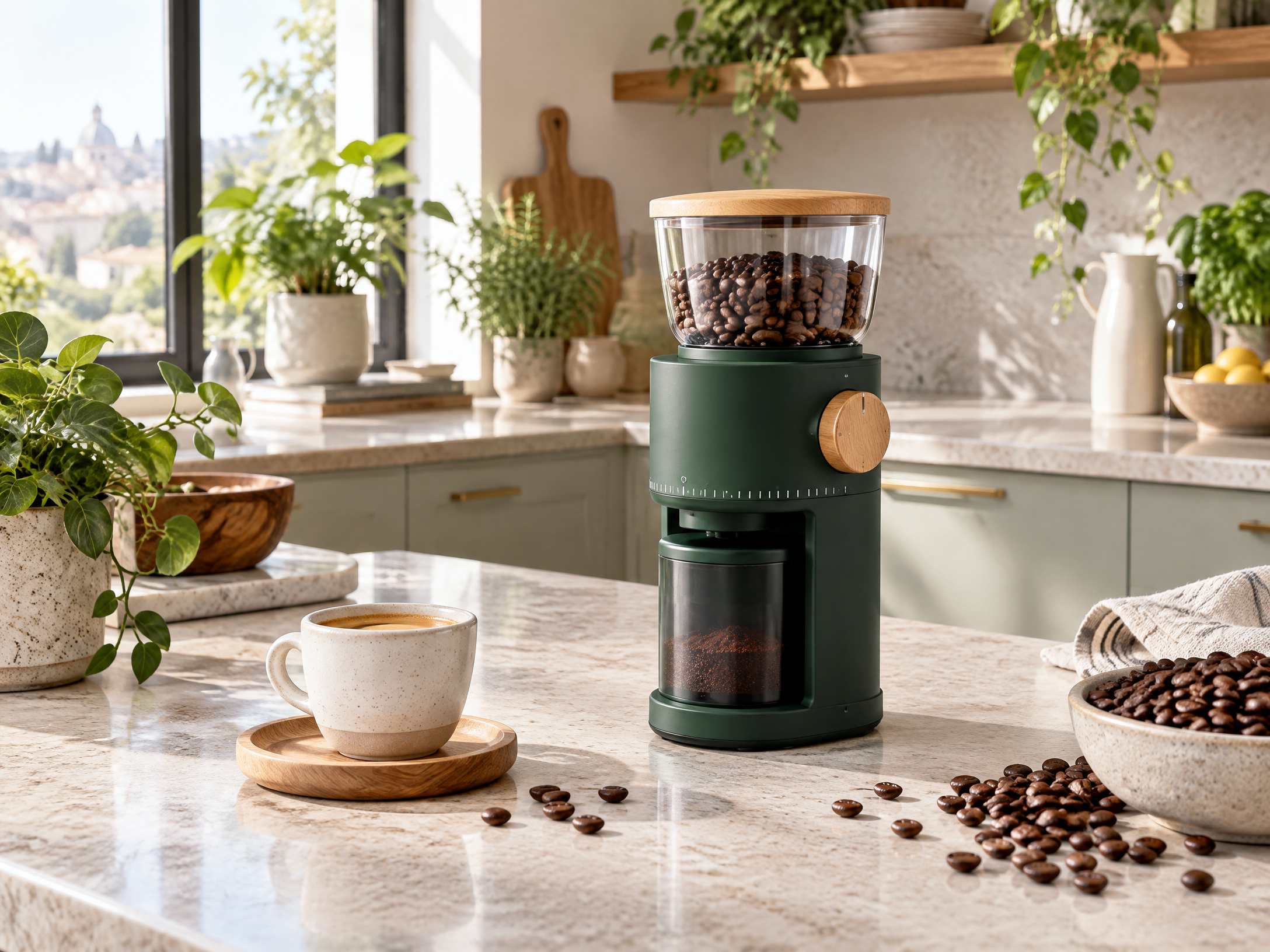
A coffee-grinder platform for roasters and specialty brands that want to define a clear burr, setting, retention, hopper, accessory, and sample-calibration brief before production.
Core specifications to align before quotation.
These fields provide a practical starting configuration. Confirm the exact final model, market version, and any performance claim before commercial use.
Where this product can sit in a buyer’s assortment.
Roaster merchandise
A branded grinder for roasters extending from coffee beans into home-brewing hardware.
Coffee-focused retail
A core accessory for consumer ranges built around espresso, filter, and manual-brewing formats.
Premium coffee sets
The grinder can be scoped with a dosing cup, kettle, packaging, and visual identity for gifting or retail bundles.
Adapt the platform without losing control of the build.
Start with a defined base configuration, then scope product expression, accessory, pack-out, and regional details through an approved brief and sample process.
What should be defined before the first formal sample?
- Burr set, hopper, chute, grounds container, and adjustment mechanism reference
- Target grind-range and use-case sample specification
- Motor, cord, plug, and electrical version configuration
- Accessory, finish, carton, and instruction plan
Turn the approved sample into an inspection-ready production reference.
Quality control should connect the signed product configuration to incoming parts, in-process checks, functional verification, packaging, and finished-goods traceability. The final inspection plan should be agreed for the actual SKU and order.
Burr assembly, setting movement, and grounds-path inspection
Defined sample-grind comparison against the agreed method and reference
Motor, switch, cord, plug, hopper, and removable-part check
Packaging, accessories, manual, and finished-product traceability review
Prepare the final SKU for its destination—not a generic lookalike.
Regulatory, certification, technical, claims, and channel requirements depend on the final model, component set, destination market, importer role, and selling route. This page is sourcing guidance, not a certification or legal conclusion.
Useful inputs for a faster, more comparable quotation.
Target brewing methods and the intended grind-range positioning
Burr material, calibration, retention, static, noise, and cleaning expectations
Hopper capacity, dosing accessory, finish, and coffee-set requirements
Target electrical market, claims, and product-manual direction
Common sourcing questions about this platform.
How should a buyer compare burr and blade platforms?+
Start with the intended consumer, brewing methods, price tier, cleaning expectations, and claim evidence. Compare test conditions rather than relying only on a headline setting count.
Can the grinder be calibrated for espresso?+
Calibration scope can be discussed as part of the product brief. The agreed burr, setting range, coffee, and test method should be documented in the sample-approval plan.
What does low retention mean in a sourcing brief?+
It should be defined through an agreed test and sample setup. A descriptive claim without method, coffee condition, and final production configuration is not enough for buyer comparison.
Request a product-specific sourcing discussion.
Send your target market, expected annual volume, preferred configuration, and launch timing. We will use the brief to structure the next sample, documentation, and production discussion.